Valor Mortis Rapier and Saber Guide: Parry, Reposition, and Critical Attacks
Practice Valor Mortis Rapier and Saber combat after the October 27 update with a focused routine for reading attacks, positioning, and critical opportunities.
By Valor Mortis Guide editorial team · Last updated
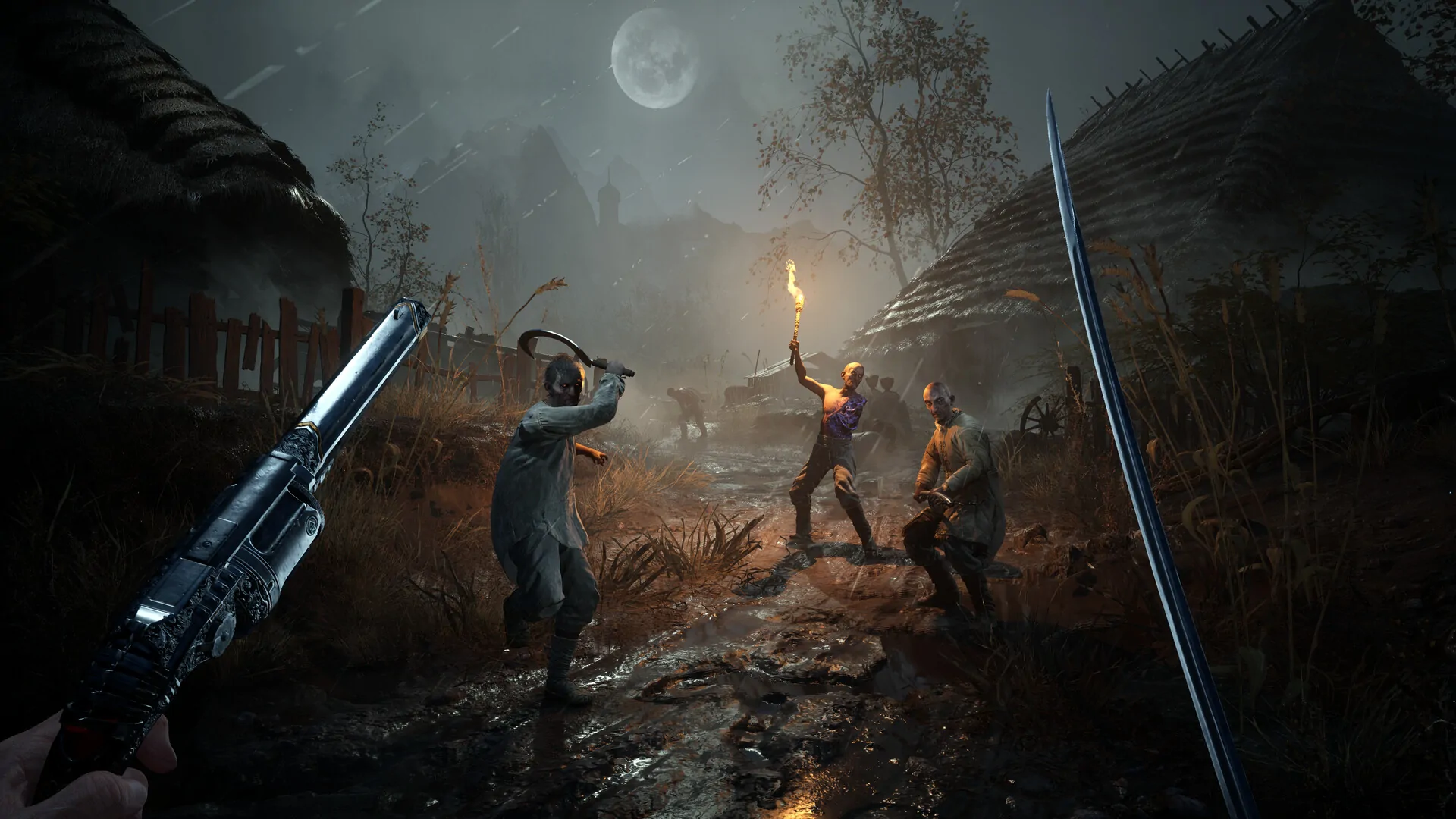
The October 27 update adds new critical attacks for the Rapier and Saber. Those additions make this a useful time to revisit how you create a safe attack opportunity rather than simply watching a new animation once. Valor Mortis builds its combat around parries, dashes, finishers, and supernatural powers. This guide turns those systems into a manageable practice routine. It does not assign an unpublished damage bonus to the new attacks or declare either weapon the strongest choice without a controlled comparison.
Begin with one weapon and one familiar encounter
Choose either the Rapier or Saber and keep it equipped for a short learning session. Use an encounter you can reach reliably and whose surroundings you recognize. The purpose is to reduce uncertainty: when you change weapon, enemy, route, and powers at once, you cannot easily tell why a new approach succeeded. Read the displayed controls and weapon information in the installed game before relying on an older demonstration. The update changes critical attacks, and earlier patch work also adjusted enemy attack behavior.
Set a narrow goal for the first attempt. Instead of trying to end the fight quickly, recognize one ordinary attack and respond deliberately. You might focus on keeping the opponent visible, avoiding an unnecessary follow-up, or identifying a safe moment to reposition. A practice objective should be something you can judge even when you lose. Winning by exhausting every resource may progress the campaign, but it tells you less about whether a repeatable combat habit is improving.
Observe the windup before committing to a defense
Watch how the opponent begins an attack, not just where the weapon ends. A first-person view can make a late reaction feel like a positioning problem, while an early reaction can leave you exposed when the actual strike arrives. Spend a brief attempt observing the sequence from a manageable distance. Avoid deliberately taking repeated hits just to collect data; use the information from ordinary failures and return with one adjustment you can remember.
The October 21 patch adjusted hitboxes for many enemies and bosses and tuned damage windows for several attacks. It also improved the readability of specific windups. That means a pre-patch timing habit deserves another look if it still feels unreliable. The notes do not provide a universal parry frame count. Practice against the live animation and result rather than forcing a number copied from another game. If the same response fails repeatedly, change one aspect of timing or spacing and compare.
Treat a successful parry as information
A successful defense gives you a moment to read what happens next. Does the enemy continue the sequence, pause, or present a clear opportunity? Follow the actual feedback instead of assuming every parry ends a combo or guarantees a critical attack. The game’s combat description emphasizes parries and finishers, but the conditions for an individual opportunity must come from the current encounter. Wait for the relevant in-game cue before attempting an interaction that may leave you exposed if it is unavailable.
Use a restrained follow-up while learning. One deliberate attack followed by a fresh read is easier to evaluate than a long string of inputs. If you are hit during the follow-up, ask whether you misread the end of the sequence or remained in a dangerous position. Do not immediately conclude that the weapon lacks damage. The practical problem may be that your attack began before a safe opening existed. A smaller, reliable punish often teaches a stronger foundation for later aggression.
Use movement to create a readable fight
The game explicitly includes dashes and mobility as part of combat. Reposition with a purpose: improve your view of the opponent, avoid being boxed in by terrain, or separate the immediate threat from another enemy. Do not spend every movement action automatically after every attack. If you cannot explain why you moved, you may simply be adding inputs and losing track of the next windup. Check the current resource display and available space before committing to repeated movement.
Terrain matters to the learning process even without a precise arena map. A wall behind you can remove an otherwise comfortable retreat, and an obstacle can obscure an attack. Move the encounter to a clearer space when normal gameplay permits, then compare your defensive consistency. If the fight becomes easier to read, preserve that observation. It supports a positioning improvement; it does not prove the enemy has a hidden weakness to a particular floor tile or that every encounter can be pulled to the same location.
Retest the new critical attacks in context
After updating, use the Rapier or Saber in normal combat and watch for the game’s legitimate critical opportunity. Observe the new animation, its camera behavior, and where you regain control. Do not assume an animation change has altered damage, invulnerability, or the trigger condition. Those are separate properties. If you want to compare outcomes, use the same enemy type, weapon upgrade state, and relevant loadout, and record only what the interface and repeated attempts actually support.
Check your surroundings before taking a long interaction whenever the game lets you make that decision. A critical animation may be satisfying, but the next problem is where the fight stands when it ends. Identify the nearest remaining enemy and a sensible movement direction as control returns. This is a situational-awareness habit rather than a claim about a fixed recovery penalty. If a critical attack behaves unexpectedly, record the weapon, enemy, and location so you can distinguish a repeatable issue from an unusual camera angle.
Compare Rapier and Saber without inventing a tier list
After a few consistent attempts with one weapon, switch and repeat the same learning encounter. Compare the things you can perceive reliably: whether you understand the attack sequence, whether a follow-up is easy to control, and whether the weapon suits your current positioning habits. Do not convert a single faster victory into a claim about universal damage per second. Enemy behavior, execution, and resource use can change the result even when the weapon is the only planned equipment change.
Keep the Halloween skins separate from this comparison. The update adds themed appearances for melee and ranged weapons, but the announcement does not give those cosmetics a damage or timing bonus. Choose an appearance you like while keeping actual equipment information consistent. If the game displays a numerical attribute, read that attribute directly; if it does not, leave the number out of your conclusion. You can choose a comfortable weapon without presenting an unsupported statistical ranking to other players.
Add powers after your defensive routine is stable
Valor Mortis also lets William use supernatural abilities and enhance attacks. Introduce one ability into a routine you already understand rather than replacing every failed defense with another effect. Decide what you want the ability to achieve in that encounter, then check whether it actually changes the situation. A power that helps you regain control may be more useful to your present playstyle than one used only because it looked impressive in a clip.
Boss encounters need particular care when comparing clips. The October 27 notes repair several interactions involving Stasis, Fire Transmutations, the Rapier, and specific bosses. A video of a boss failing to attack may show an old bug rather than a strategy that remains available. Learn the intended attack sequence and use current feedback. If an opponent becomes inert or an ability persists unexpectedly, do not build your whole route around reproducing that behavior on a different patch.
Finish each session with one repeatable improvement
After a few attempts, write a short conclusion: which cue you recognized, which response worked, and what still caused damage. Keep the next goal small. You may need to delay a follow-up, stop retreating into a corner, or become more comfortable with the new critical animation. This approach makes progress visible even before a difficult fight is won. It also prevents a frustrating session from turning into endless equipment changes with no clear test behind them.
When the routine becomes reliable, return to normal progression and apply it to new encounters cautiously. New enemies may require different reads, so carry over the method rather than a rigid button sequence. The Rapier and Saber additions are a reason to explore combat again, but the durable skill is understanding how you earned each opening. Read the attack, choose a defense, reposition with intent, and take the opportunity the live game actually presents.
See the Halloween update guide and boss and chapter recovery checklist for related changes.